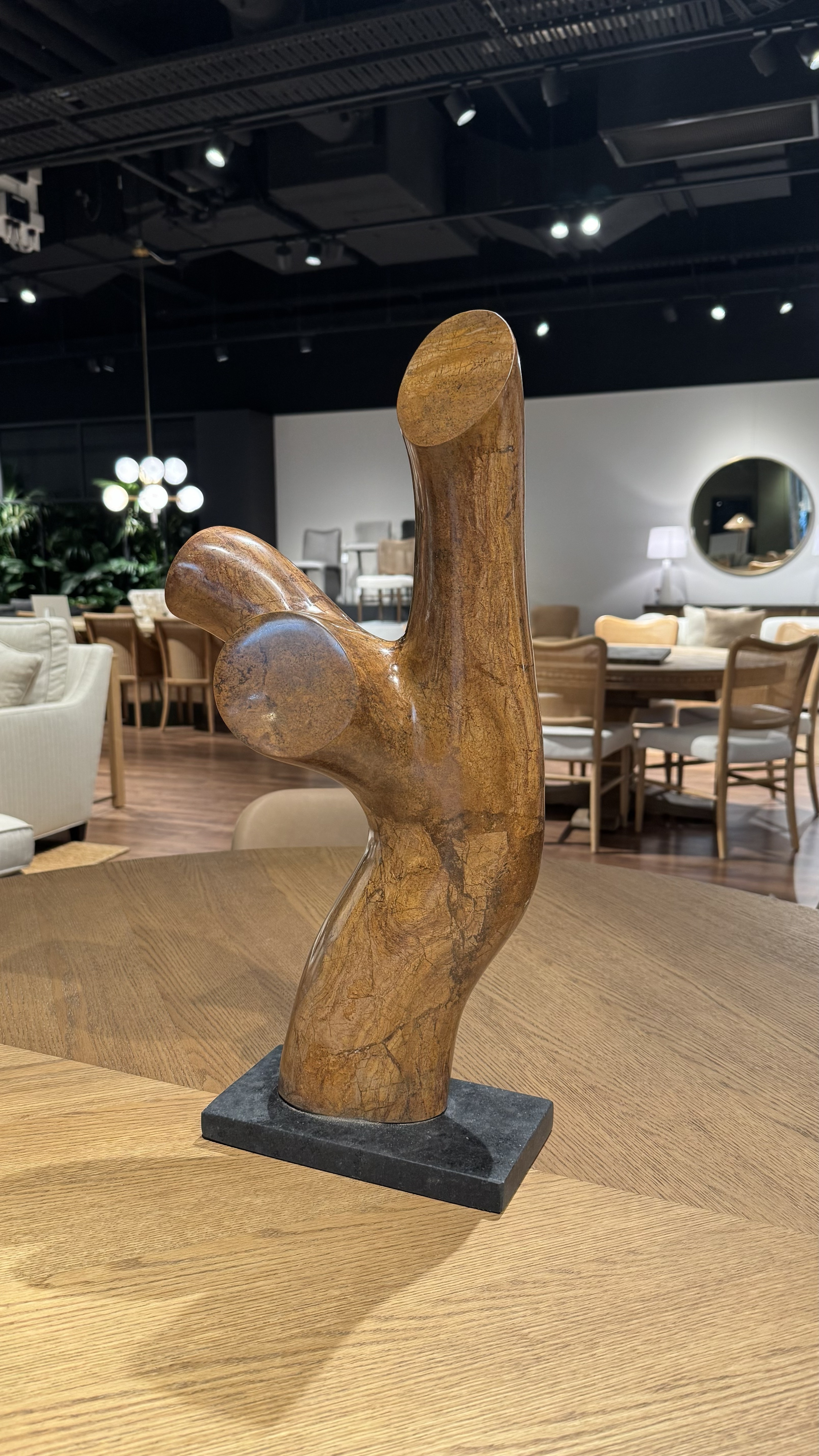

Peter Syndicas has spent nearly three decades uncovering extraordinary beauty in the ordinary. What began with a chance discovery of a fallen twig on a camping trip has evolved into an internationally recognised sculptural practice, transforming delicate forms found in nature into monumental bronze works that celebrate the human figure. To coincide with his exhibition Life Forms at Coco Republic Burnside Village and his recognition as a finalist in this year's SALA Awards, we sat down with Peter to discuss the unexpected beginnings of his career, the meditative process behind his work, and why art has the power to shape not just a room, but the way we feel within it.
FROM FOREST FLOOR TO FINE ART
Your work is known for finding the human figure in twigs found in nature, how did you first notice that connection, and what draws you to keep searching for it?
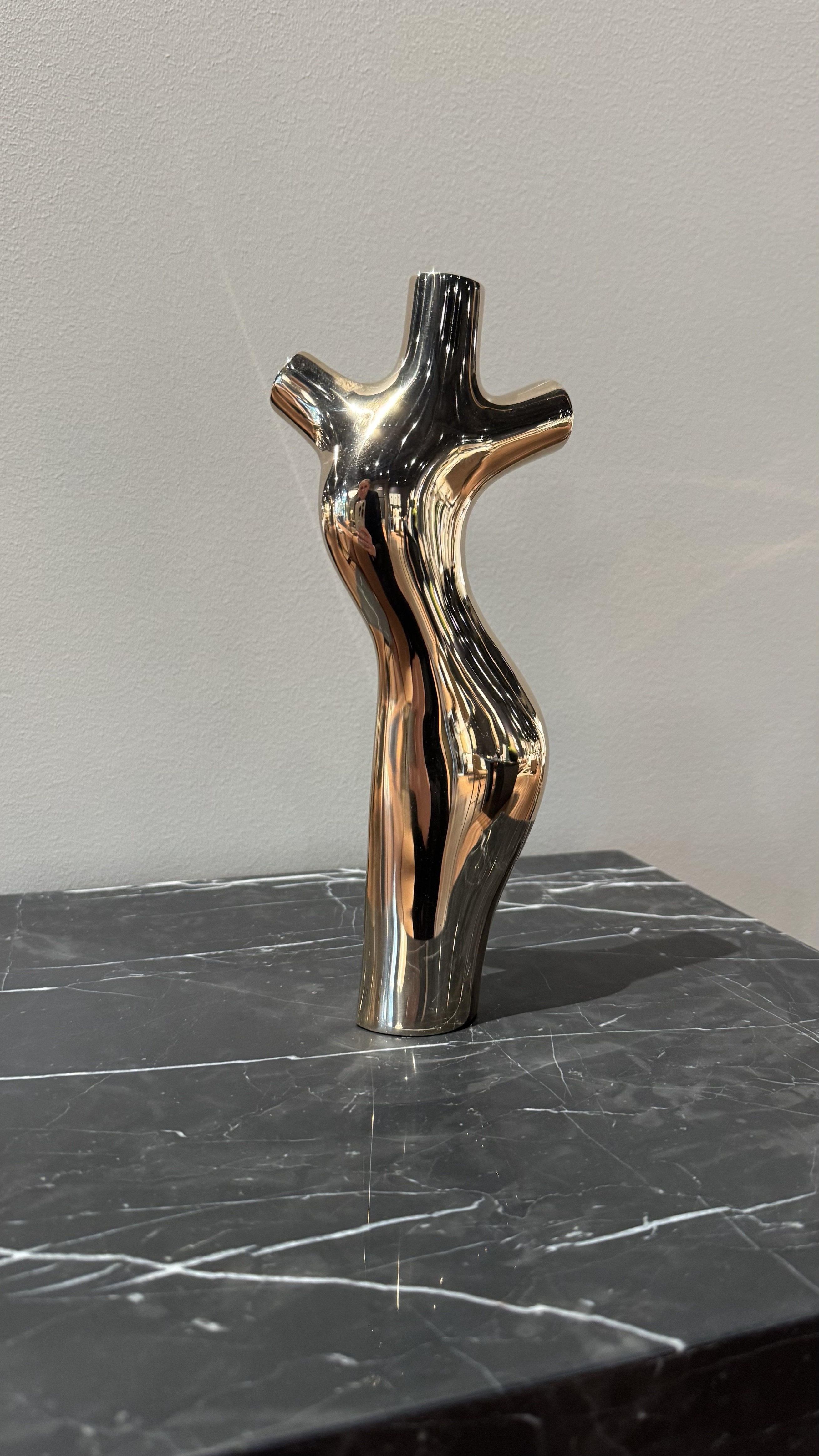
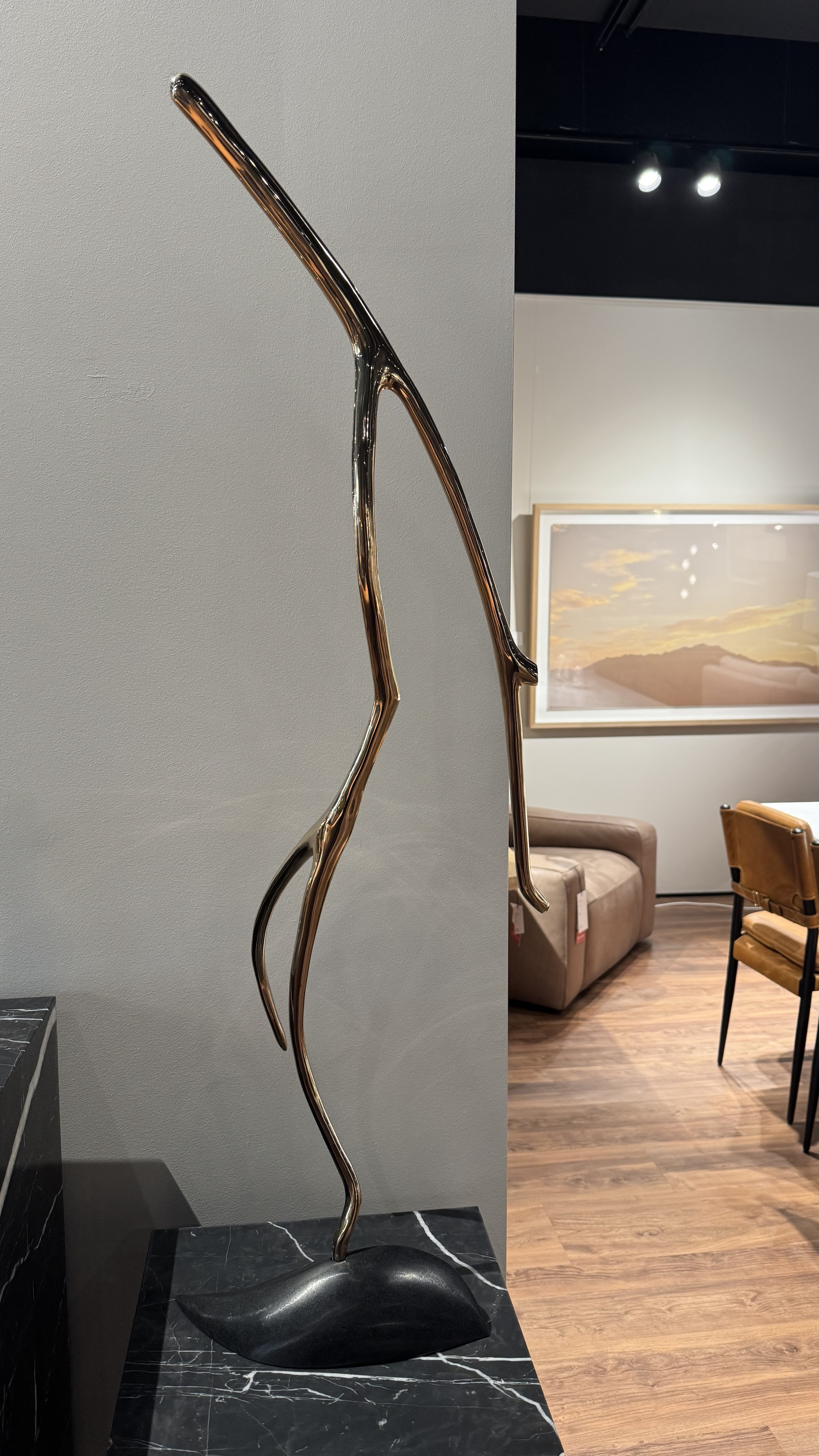
My discovery happened on a camping trip with friends back in 1997, when I searched for a twig that could hold two marshmallows at a time. I found a great twig and cleaned it up before enjoying my treats. Once I’d finished I caught an angle on the twig and saw a beautiful abstract female figurative form. I looked up at the trees I could see these dynamic figurative forms everywhere. From that moment I began an obsessive collector of similar twigs - when one became damaged I was inspired to figure out how I could replicate these delicate forms. I experimented with weaving chicken wire into similar forms on a magnified scale.
Throughout this time I never thought of what I was doing as art – it was a form of meditation for me. I loved going for walks and collecting twigs and then replicating the forms on a growing scale, with no ambition of taking it any further, until a friend suggested I enter the Waterhouse Art Prize. I had never heard of the Waterhouse before, and the cut off for entry was in less than a week. At the time I was smoothing wax over chicken wire which resembled a bronze finish, so for the entry I submitted the image and filed in the medium as bronze, although it was not bronze. To my shock my entry was accepted, which meant I had a month to deliver my finished work in genuine bronze to the Museum. I found a foundry in Adelaide that helped me to cast my very first bronze and set to work with wet and dry sandpaper, taking two solid weeks to polish by hand.
This bronze sculpture was delivered on time to the museum and I was delighted when it sold. This experience changed everything for me. It made me realise that this small obsession of mine had connected with others, which inspired me to keep pushing ahead, now with the medium of bronze to explore.
It’s now been over 29 years for me doing this and I’m not slowing down in any way.
CELEBRATING 21 YEARS WITH SALA
SALA is such a distinctly South Australian institution. What does it mean to you to show during SALA specifically?
Art is everywhere in SA in the month of August. SALA is such a great event to be part of as the state showcases its depth of artists from the novice to the well-established. It also gives the opportunity for people to meet with the artists with many open studios and artist talks. This year marks my 21st year of taking part in SALA and I have definitely benefited and evolved greatly by the experience over the years.
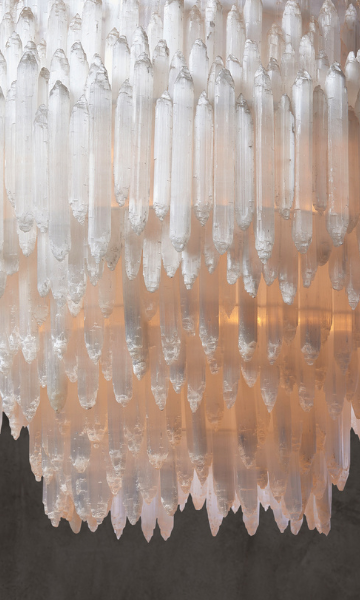
This years’ show at Coco Republic is especially close to my heart as the location enables me to include one of my greatest works - Celestial Life Form - which is a monolithic public sculpture suspended from the ceiling above the showroom in Burnside Village.
CELEBRATING THREE DECADES OF LIFE FORMS
Your exhibition “Life Forms” brings together three decades of this practice, and you’re now a finalist for this year’s SALA Award, what does this particular moment mean to you, looking back at how the work has evolved since you first began?
A retrospective exhibit is such a wonderful moment where you take the time to look at what you’ve achieved over the years. I never intended to be an artist and for many years I felt like an impostor.
I really was in total adoration of these beautiful abstract figurative forms I saw playing in my head and couldn’t wait to bring them to life. As a self-taught artists my techniques and mediums have evolved greatly over the years and I was fortunate to have had some great relationships with other artists that have helped me to develop over the year.
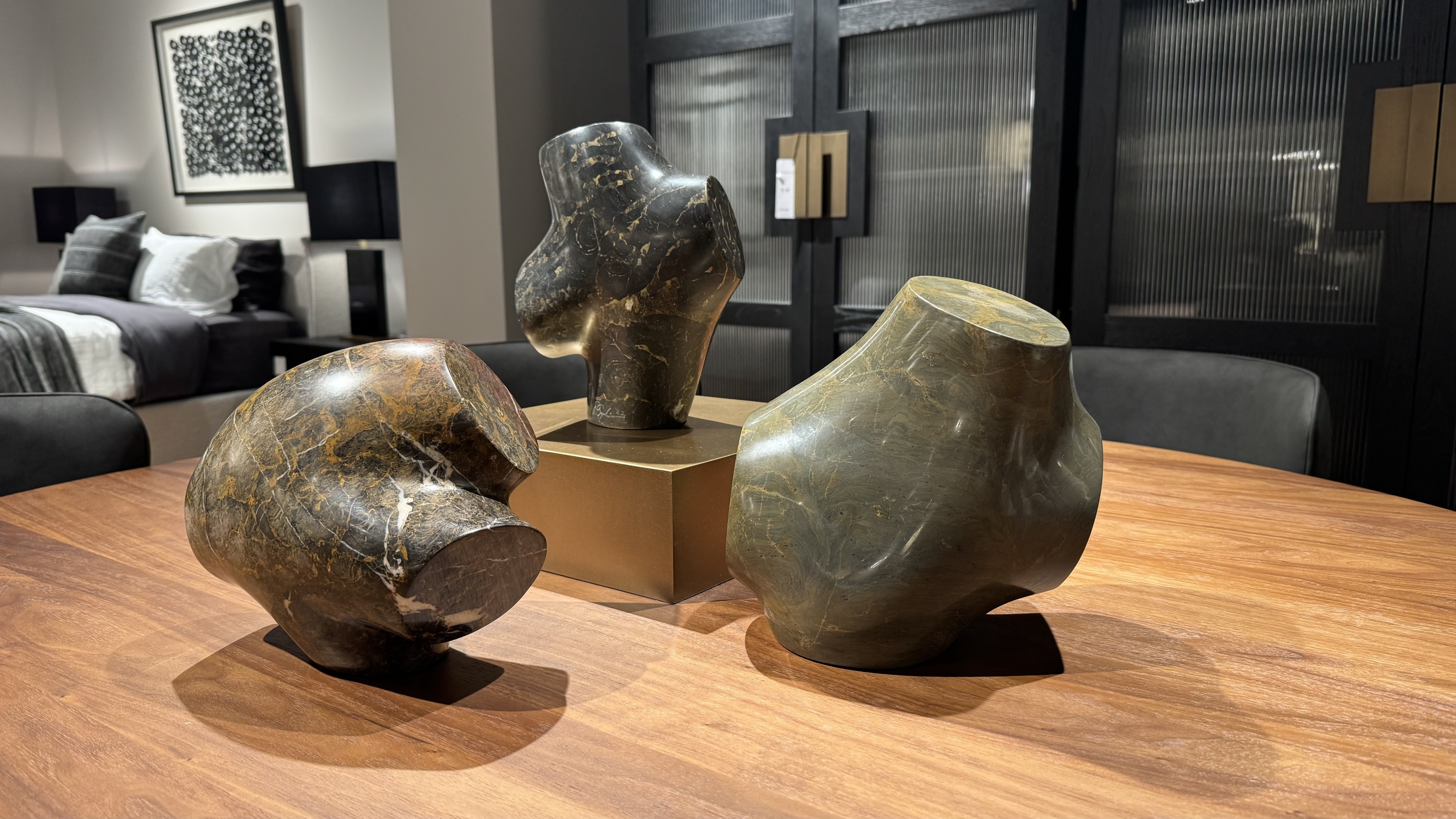
I’ve also had some magic opportunities with commissioned works that have seen me create a series of stone sculptures for The Marina Bay Sands in Singapore and Celestial Life Form - the world’s largest suspended bronze sculpture.
DESIGNED TO BE DISCOVERED
For someone seeing your work for the first time, walking past a bronze twig sculpture in a room, what do you hope they notice first, and what do you hope they notice only once they look closer?
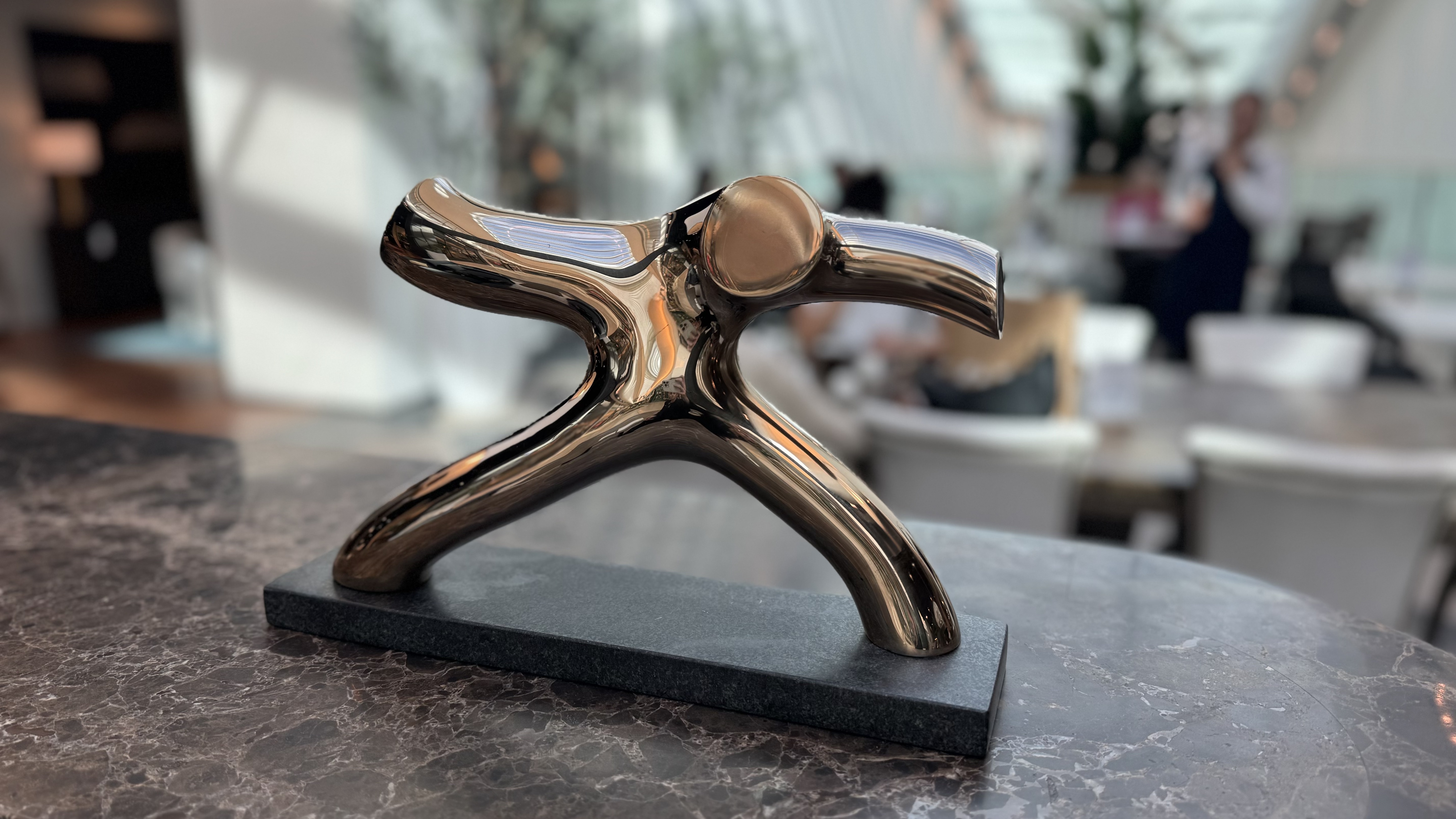
I love seeing people react to my work. The initial impact is generally the organic nature of the work. There is no doubt that these familiar forms are reflected in the natural world that constantly surround us. There is comfort in these biophilic sculptures. On further exploration people then discover the subtle abstract figurative forms. I still get a buzz every time people come up to tell me how they’ve just seen a form in my work, as if I may not have realised it.
THE LASTING IMPACT OF SCULPTURE
A piece like yours changes a room the moment it’s in it, how do you think about sculpture’s role in a space, and what advice would you give to our customers who want to bring art into their home?
I really believe that art plays a central part in any home. It is one of those things we have that’s sole purpose is to support our emotions. Its importance is often overlooked but it goes a long way to influencing the soul of a home. Generally, art is introduced into the home primarily on the walls with prints and painting. Sculpture tends to lag way behind once most of the walls are covered.
My advice to anyone who wants to bring art into their home would be to find the art that makes you feel something. I’m not talking about profound mind-blowing experiences here, just simply ‘I like that’ moments. If you continue to add more of these ‘I like that’ artworks around you, no matter how diverse the collection becomes it will all come together nicely and reward you emotionally daily.